



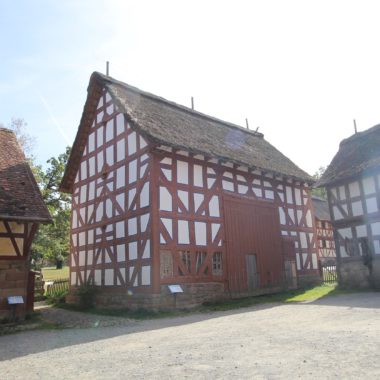
Saddlery
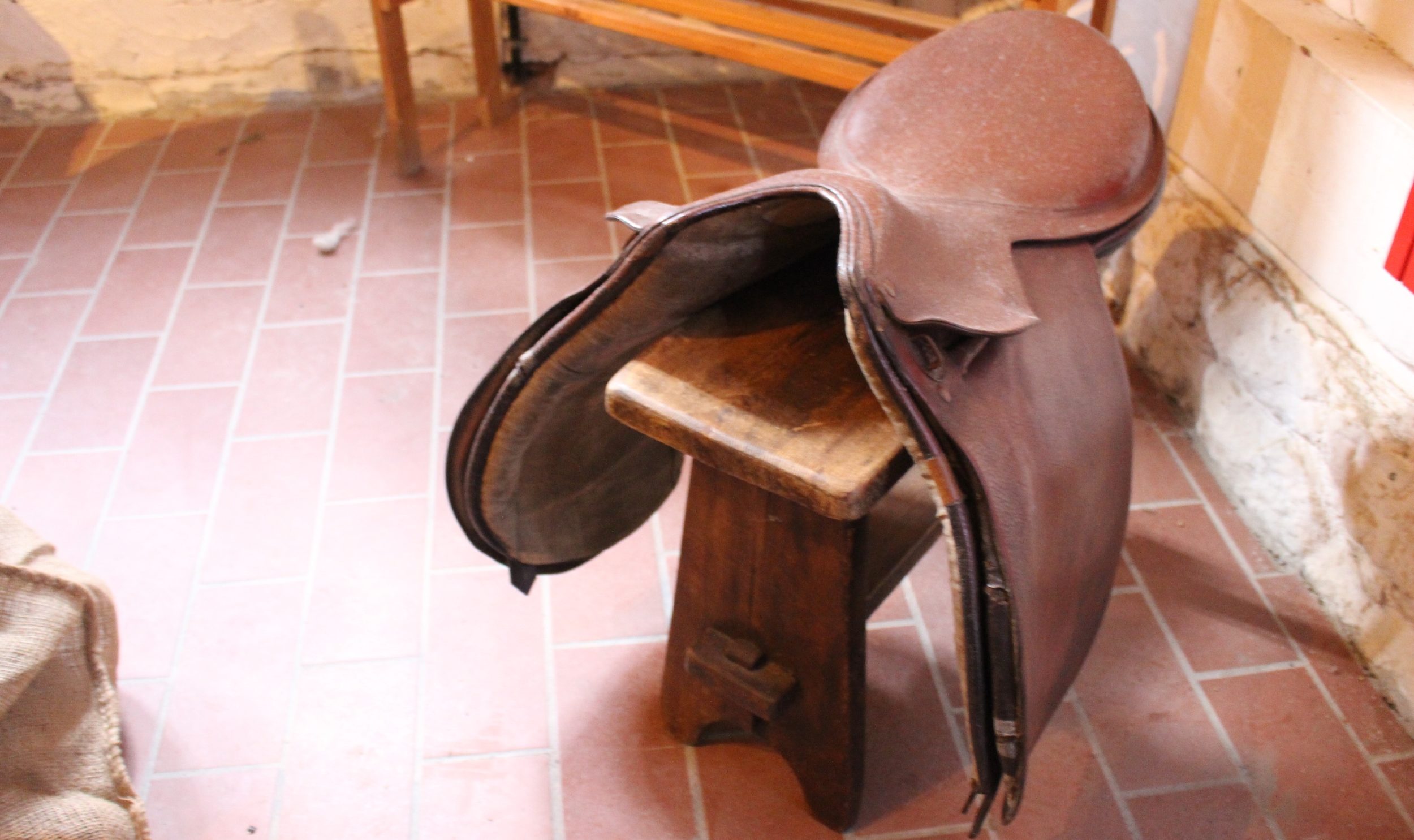
Because of its close connections to the use of horses and cattle as draft and work animals, saddlery is considered to be one of the oldest rural trades. In addition to saddle making, saddlers produced leather bridles and harnesses needed by oxen, horses and donkeys to enable them to pull and transport heavy loads and agricultural equipment.
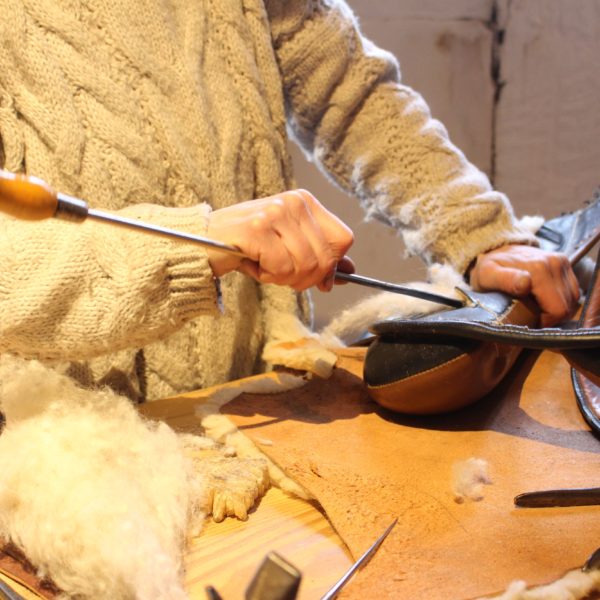
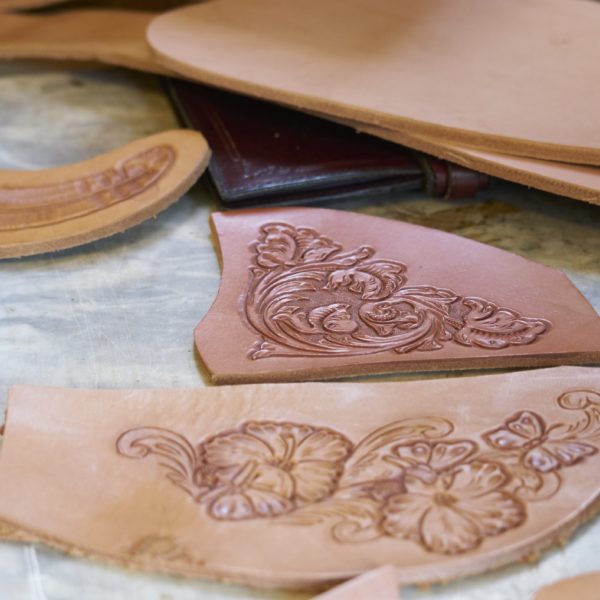
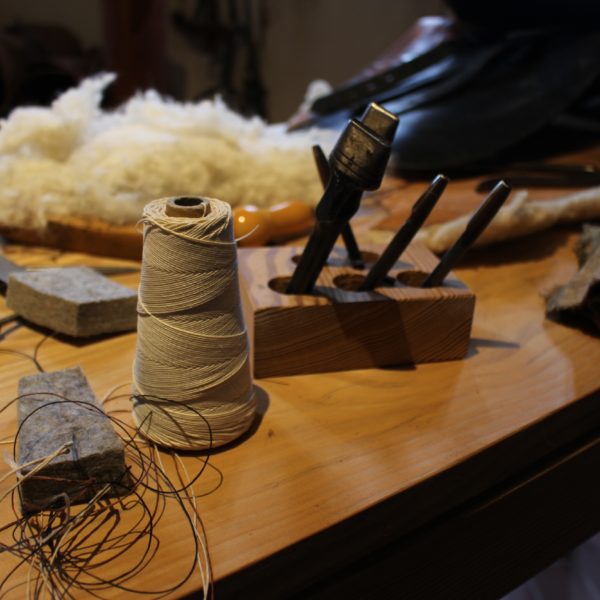
Rural saddlers usually had no permanent workshops. In order to pursue their trade, they had to travel from village to village in search of customers. The bulk of their job was made up of the repair and replacement of damaged leather straps. The saddler’s tools were small and handy and therefore easy to transport. The most important tools included the “stitching horse” (workbench), the saddler’s pliers and hammer, a “clam” for leather stitching, awls, punches and the half round knife for leatherworking.
One of the most important saddlery inventions was the horse collar, a padded harness that originated in the Middle Ages. It distributed the load around a horse’s neck and shoulders when pulling a wagon or plough. Previously heavy loads could only be drawn by the slower and less enduring cattle.
Saddlers were always confronted with changes and innovations. The advent of the horse-drawn carriage as a means of transport had a major impact on their craft: both the vehicle interior and the suspension were made of leather and had to be manufactured by saddlers. The same went for the upholstery of furniture and the production of bags, suitcases, boxing gloves and footballs.
You are currently viewing a placeholder content from Google Maps. To access the actual content, click the button below. Please note that doing so will share data with third-party providers.
More InformationMore links
You need to load content from reCAPTCHA to submit the form. Please note that doing so will share data with third-party providers.
More InformationYou need to load content from reCAPTCHA to submit the form. Please note that doing so will share data with third-party providers.
More InformationYou are currently viewing a placeholder content from Turnstile. To access the actual content, click the button below. Please note that doing so will share data with third-party providers.
More InformationYou are currently viewing a placeholder content from Facebook. To access the actual content, click the button below. Please note that doing so will share data with third-party providers.
More InformationYou are currently viewing a placeholder content from Instagram. To access the actual content, click the button below. Please note that doing so will share data with third-party providers.
More InformationYou are currently viewing a placeholder content from Instagram. To access the actual content, click the button below. Please note that doing so will share data with third-party providers.
More InformationYou are currently viewing a placeholder content from X. To access the actual content, click the button below. Please note that doing so will share data with third-party providers.
More Information